
From Longevity Theory to Clinical Practice
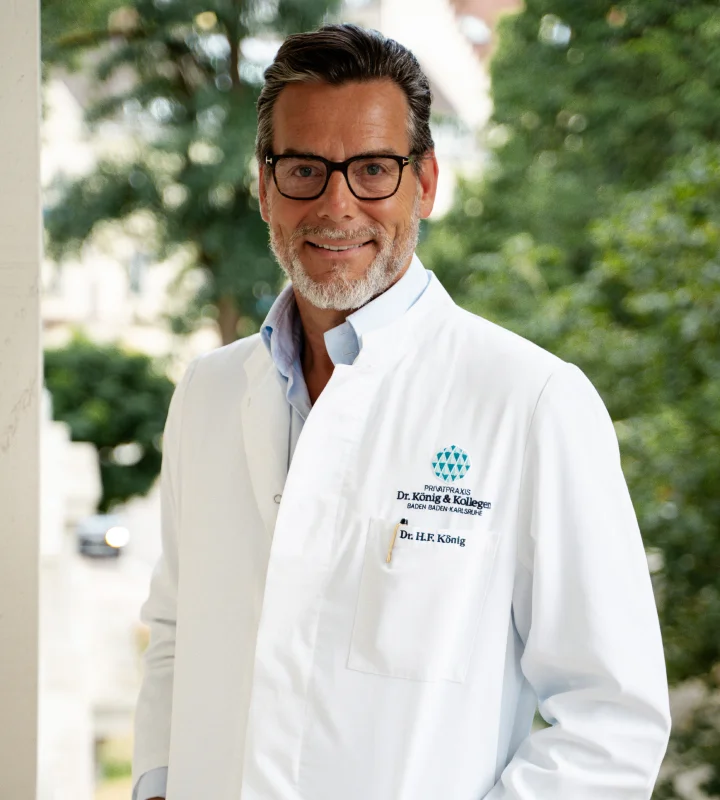
Speaker biography
Dr. Harry F. König, M.D., is a longevity and integrative medicine specialist with decades of clinical experience. His work bridges clinical practice, preventive health, regenerative medicine, and evidence-informed longevity protocols.
The following text is generated with artificial intelligence. Accuracy is not guaranteed.
From Longevity Theory To Clinical Practice: Strategic & Individualized Integrative Medicine
“Longevity is not only biohacking and collecting information; it is a strategic decision for your life. Guidance is the bridge from biohacking into real life, into your individual longevity.”
— Dr. Harry F. König
Description
Comprehensive longevity requires a holistic strategy grounded in salutogenesis and multidimensional diagnostics spanning biochemistry to epigenetics. The Glucose Adapted Diet (GLAD) optimizes metabolic health by prioritizing fiber-first ingestion and eliminating snacking to stabilize insulin. Clinical interventions like chelation and plasma washing target environmental toxins, while individualized supplementation, movability training, and ozone therapy support regeneration. Strategic hematophoresis mitigates chronic viral loads from EBV or long Covid by filtering activated pathogens, bridging biohacking with personalized clinical practice.
Summary
- Longevity should be a personalized life strategy based on an individual's unique genetics and history rather than a collection of trendy biohacking tools.
- The "Glucose Adapted Diet" levels blood sugar by avoiding snacking and never starting a meal with carbohydrates to prevent insulin spikes and maintain energy.
- Comprehensive diagnostics covering biochemistry, physical condition, and mental health are the necessary backbone for creating an effective, data-driven personal health roadmap.
- Specialized clinical treatments can address chronic fatigue and weakness by removing environmental toxins, heavy metals, and reactivated viruses from the blood.
- A tiered approach ensures health interventions prioritize lifestyle foundations and diagnostics before moving to individual supplementation or complex medical procedures.
Key points
- Building a long-term personal relationship with a generalist doctor is more effective for longevity than seeing multiple specialists, as a generalist acts as a case manager who understands your entire history rather than just treating isolated symptoms.
- "Salusotogenesis" is a core principle of longevity that requires a doctor to understand a patient's behavioral structures and emotional crises, such as grief or divorce, because these psychological factors directly influence biochemical health.
- While the common "10,000 steps a day" goal lacks a scientific proof of concept, consistent muscle training is essential to prevent rapid physical degeneration and maintain healthy energy levels.
- Longevity requires regular "refresher" visits once or twice a year, as many patients tend to abandon healthy habits like proper nutrition or medication once they start feeling better and forget the original medical guidance.
- Intermittent fasting by skipping breakfast can prevent the common mid-morning energy crash, though current research suggests that skipping dinner may be a more effective strategy specifically for weight control.
Things to learn
- Choose a younger healthcare provider: Select a doctor who is younger than yourself to ensure you have a motivated, long-term guide who can oversee your health strategy for several decades.
- Start your health strategy early: Begin focusing on biohacking, genetics, and nutrition in your 20s or 25, as creating an early foundation of awareness is more effective than trying to solve problems later in life.
- Formalize the act of eating: Commit to only consuming food while sitting down for a full meal, which creates a psychological and behavioral boundary that prevents snacking between meals.
- Self-monitor food sensitivities: Take a "trial and error" approach to your diet; for example, if you suspect a specific food is causing discomfort, eliminate it for four weeks to observe how your body reacts without immediately needing a clinical test.
- Prioritize psychological balance: Actively manage your emotional state and awareness, recognizing that your mental mood and your reactions to life stressors directly influence your body's physical biochemistry.
Notable quotes
- “Understanding the person in front of you is the key to helping them. It is the key to a strategy that ensures you are taken care of for the next decades of your life.”
- “Industry is not always interested in getting you healthy; it would rather have a patient for a lifetime. We want to help you reach your best personal health, not just control a problem.”
- “We used to believe genetics were fixed, but we now know we can influence them. This is what epigenetics is all about—choosing the right nutrition and supplements to lower your individual risks.”
- “Longevity is about keeping yourself active. The simple truth is that if you don't train your body and your muscles, you will degenerate much faster.”
- “Our responsibility is to broaden the vision of longevity to the youth. We should start building health awareness when we are young, not just when we are already looking at the end of the horizon.”
Questions to ask
- How do you utilize biological age testing or epigenetic clocks to objectively measure the rate of aging and the success of your clinical interventions?
- What is your clinical approach to bioidentical hormone replacement therapy (BHRT) as a foundational pillar for maintaining muscle mass and cognitive function as patients age?
- In terms of "Movability," what specific ratio of resistance training versus zone 2 cardiovascular exercise do you recommend to optimize both mitochondrial health and the prevention of sarcopenia?
- Since you prioritize the "glucose adapted diet," how do you integrate the use of Continuous Glucose Monitors (CGMs) to help non-diabetic patients visualize their real-time metabolic responses to different foods?
- Beyond tracking, what specific clinical protocols or therapeutic interventions do you use to help patients optimize their deep sleep and circadian rhythm alignment?
Keywords
Magazine article
From Longevity Theory To Clinical Practice
Dr. Harry F. König At Hololife Longevity Cote D'Azur
At Hololife Longevity Cote d'Azur in Nice, France, on Thursday, 12 March 2026, Dr. Harry F. König, M.D., offered a brisk but deeply revealing argument for what modern longevity medicine ought to become. His presentation, From Longevity Theory to Clinical Practice: Strategic & Individualized Integrative Medicine, pushed back against the glossy reduction of long life into gadgets, drips and fashionable self-optimization. In its place, he proposed something both more demanding and more humane: longevity as a disciplined, individualized life strategy.
For Dr. König, a longevity and integrative medicine specialist with decades of clinical experience, the question was never whether biohacking had value. It was whether any intervention, however advanced, meant much without first understanding the whole person. That, he suggested, was the difference between trend and treatment, between fragmented medicine and actual care.
The Case Against Fragmented Health
The central force of the talk lay in its refusal to romanticize specialization. Dr. König described the limits of a system in which patients move from one expert to another, each treating a body part, few treating a life.
“Understanding the person in front of you is the key to helping them,” he said. “It is the key to a strategy that ensures you are taken care of for the next decades of your life.”
That line captured the moral center of the presentation. Longevity, in his view, was not a retail experience built from supplements and diagnostics bought à la carte. It was a relationship, ideally guided by a clinician capable of seeing patterns across family history, emotional stress, physical decline, laboratory data and daily habits.
He argued that generalist, integrative care remained essential precisely because a person’s health story rarely fit neatly inside a single specialty. A divorce, bereavement, financial instability, chronic fatigue, poor sleep, post-viral weakness, metabolic dysfunction: these were not isolated events, but overlapping pressures. If medicine ignored the links, it missed the patient.
Salutogenesis As A Starting Point
Dr. König rooted this philosophy in salutogenesis, the principle that medicine should not merely manage disease but actively cultivate health. In practice, he described this as a process of truly knowing the patient, not simply their lab values.
That meant broad intake conversations, physical examination, and diagnostics spanning biochemistry, vascular health, hormonal status, posture, scars, mental state and, when relevant, genetics and epigenetics. The point was not data accumulation for its own sake. It was strategy.
Longevity, he made clear, should begin with a map.
The body’s chemistry, physical condition and psychological balance formed what he called the backbone of any credible plan. Only after that groundwork, he argued, should clinicians decide whether a patient needed simple lifestyle changes, targeted supplementation, or more complex clinical intervention.
The Simplicity And Severity Of Food
Some of the sharpest practical advice in the session concerned food. Dr. König outlined what he called the Glucose Adapted Diet, or GLAD, a framework designed to stabilize blood sugar and reduce insulin spikes through deceptively simple rules.
The first was to never begin a meal with carbohydrates. Fiber-rich vegetables and similar foods should come first, he said, because they soften the glucose surge that follows. The second was more absolute: no snacking between meals.
This, he argued, was not a faddish restriction but a metabolic intervention. By avoiding constant glucose peaks and crashes, patients could improve energy, weight regulation, cholesterol markers and long-term metabolic resilience.
His point was not that bread or carbohydrates were inherently forbidden. Timing, sequence and pattern mattered more than panic. In a field often crowded with absolutist claims, that nuance felt notable.
Movement As A Longevity Imperative
Dr. König was equally unsparing about inactivity. He dismissed the popular fixation on a universal 10,000-step target as weakly grounded, but he was unequivocal on a broader truth: a body not trained would decline faster.
“Longevity is about keeping yourself active,” he said. “The simple truth is that if you don't train your body and your muscles, you will degenerate much faster.”
Movement, in his framework, was not cosmetic and not optional. It was a core biological requirement, inseparable from blood sugar regulation, vascular function, energy and independence. The emphasis was not on athletic performance, but on preserving capacity.
Epigenetics And The End Of Fatalism
One of the more hopeful threads in the talk came when Dr. König addressed genetics. The older model, he suggested, encouraged a quiet fatalism, the belief that inherited risk was immutable. Contemporary longevity medicine, by contrast, increasingly pointed to modulation rather than surrender.
“We used to believe genetics were fixed, but we now know we can influence them,” he said. “This is what epigenetics is all about, choosing the right nutrition and supplements to lower your individual risks.”
This was not presented as magic, nor as a promise of total control. Rather, it was an argument for precision. Supplements should not be handed out as wellness confetti. They should follow diagnostics, personal history and measurable need. What one patient required, another might not.
In that distinction, Dr. König sketched a broader philosophy: personalization was not luxury medicine. It was medicine done properly.
When Clinical Intervention Becomes Necessary
Only after laying out these fundamentals did the presentation turn to more advanced therapies. Dr. König described a tiered system in which complex procedures belonged at the end of a process, not the beginning.
Among the interventions discussed were chelation for heavy metals, plasma washing to remove toxins and inflammatory burden, ozone therapy, individualized intravenous support, and hematophoresis for chronic viral activation. He spoke in particular about patients weakened by reactivated viruses such as Epstein-Barr virus, CMV or post-Covid syndromes, where standard testing often showed little despite profound fatigue.
His description of hematophoresis was especially striking: a blood filtration process designed to reduce circulating activated pathogens and inflammatory burden. Yet even here, his message remained cautious. Such treatments, he stressed, should follow careful diagnostics and should never replace foundational work on lifestyle, metabolic stability and whole-person assessment.
It was a notable inversion of the luxury-wellness marketplace, where dramatic interventions are often sold first and justified later.
A Critique Of The Health Industry
If there was an adversary in the room, it was not technology but complacency, and perhaps also the incentives of modern healthcare itself. Dr. König did not hide his suspicion that industry often profited more from lifelong disease management than from genuine recovery.
“Industry is not always interested in getting you healthy; it would rather have a patient for a lifetime,” he said. “We want to help you reach your best personal health, not just control a problem.”
The remark landed because it echoed a broader unease, one familiar to many patients who feel expertly treated yet never truly restored. His answer was not anti-medicine. It was, if anything, more rigorous medicine: slower at the beginning, broader in scope, more demanding of context, and less willing to medicate around the edges of unresolved dysfunction.
The Urgency Of Starting Young
In the question-and-answer session, Dr. König was asked about blue zones and why some populations appeared to reach old age in good health without obvious intervention. His answer was unsentimental. Longevity, he suggested, was shaped not by romance but by conditions: education, awareness, climate, nutrition, stability and means.
That realism led to one of the talk’s most important appeals. Health strategy should begin early.
“Our responsibility is to broaden the vision of longevity to the youth,” he said. “We should start building health awareness when we are young, not just when we are already looking at the end of the horizon.”
This may have been the most consequential point of the day. Longevity was too often marketed as an elite response to midlife anxiety. Dr. König reframed it as an early, lifelong literacy, something built in one’s twenties, not purchased in crisis.
Beyond Biohacking
By the end of the session, the case he had made was clear. Longevity was not a stack of isolated interventions. It was a sequence. It began with awareness, deep diagnostics, disciplined eating, movement, psychological balance and regular reassessment. It then progressed, if necessary, toward individualized supplementation and advanced therapies.
The architecture mattered because order mattered. Start with the complex before understanding the simple, and both doctor and patient risked mistaking activity for care.
What Dr. Harry F. König offered at Hololife Longevity Cote d'Azur was not a miracle protocol. It was something rarer and, in its way, more radical: a demand that medicine see human beings whole. In a culture seduced by shortcuts, that sounded less like a trend than a correction.
Research article
Redefining the science of aging: why personalized medicine is replacing biohacking fads
The pursuit of human longevity is rapidly shifting away from isolated biohacking fads and moving toward highly individualized, data-driven clinical strategies. Emerging evidence suggests that foundational lifestyle adjustments, such as specific meal sequencing and circadian-aligned fasting, yield profound metabolic benefits that surpass generic health goals. Concurrently, advanced clinical interventions targeting environmental toxins and reactivated viral loads are becoming essential tools for mitigating chronic fatigue and cellular degeneration.
On Thursday, 12th of March 2026, the Hololife Longevity Cote d'Azur event in Nice, France, convened some of the most forward-thinking minds in preventative and regenerative medicine. The gathering served as a crucible for dissecting the future of human healthspan. Among the most anticipated speakers was Dr. Harry F. König, M.D., a longevity and integrative medicine specialist whose decades of clinical experience bridge the gap between preventive health, regenerative medicine, and evidence-informed protocols.
Taking the stage with a presentation titled "From Longevity Theory to Clinical Practice," Dr. König dismantled the modern medical industry's reliance on symptom management. The son of a naturopath and a veteran physician with thirty years of experience, he argued that longevity must be treated as a comprehensive life strategy. He proposed a return to the generalist medical model, where a single physician deeply understands a patient's entire physiological, genetic, and psychological landscape. This approach, he argued, is the only bridge capable of translating abstract biohacking theories into sustainable, real-world clinical practice.
The generalist revival and the origins of health
To understand the philosophical bedrock of Dr. König's approach, one must look to the concept of salutogenesis. Coined in the late 1970s by Israeli-American medical sociologist Aaron Antonovsky, the term translates literally to the origins of health [1]. Antonovsky developed this model after studying Holocaust survivors, questioning why some individuals managed to maintain physical and mental well-being despite experiencing unimaginable trauma. He concluded that traditional medicine's focus on pathogenesis, the study of disease origins, was fundamentally incomplete.
Instead of viewing health as a binary state where one is either entirely healthy or completely diseased, the salutogenic model places individuals on a dynamic ease and dis-ease continuum [2]. According to this framework, humans are constantly bombarded by psychosocial and physical stressors. Whether a person moves toward the positive end of the continuum depends on their generalized resistance resources and, most importantly, their sense of coherence. This sense of coherence is defined as a pervasive orientation toward life as being comprehensible, manageable, and meaningful [3].
In the context of longevity, Dr. König argued that a physician cannot adequately treat a patient without understanding their behavioral structures, financial stability, and emotional crises, such as a severe bereavement or a divorce. These psychological factors directly and profoundly influence biochemical health. The medical industry, he noted, often prefers to manage chronic conditions like hypertension or diabetes through lifelong product sales rather than addressing these underlying origins of disease. A generalist physician acts as a holistic case manager, utilizing comprehensive diagnostics spanning from blood biochemistry to physical posture assessments, creating a personalized roadmap that treats the whole patient rather than a fragmented collection of symptoms.
Rewriting the genetic software through lifestyle
The realization that human genetics are not a fixed, unalterable destiny represents a massive paradigm shift in preventative medicine. For decades, the medical consensus assumed that inherited DNA dictated the inevitability of chronic diseases. However, the rapidly expanding field of epigenetics demonstrates that environmental factors, diet, and lifestyle choices can dynamically alter gene expression without changing the underlying DNA sequence [4].
Epigenetic mechanisms, primarily DNA methylation, histone modification, and microRNA expression, act as biological dimmer switches that can turn the expression of specific genes up or down [5]. Nutritional components play an outsized role in shaping this epigenome. For example, bioactive compounds like polyphenols found in olive oil and green tea, or sulforaphane derived from cruciferous vegetables, have been shown to modulate the enzymes responsible for writing or erasing these epigenetic marks [6]. This means that individuals prone to specific familial conditions can actively use targeted supplementation, nutrition, and stress management to silence detrimental genes and activate pathways associated with healthy aging.
Dr. König emphasized that understanding one's genetic predispositions is merely the starting point. Emotional balance and psychological mindset heavily influence these biochemical processes. Chronic stress, for instance, can lead to epigenetic changes that upregulate inflammatory cytokines and suppress antiviral responses, directly accelerating cellular degeneration. By prioritizing psychological balance and utilizing precise dietary interventions, patients can effectively rewrite their biological software, maintaining cellular youthfulness regardless of their chronological age.
The glucose adapted diet and the death of snacking
A central pillar of Dr. König's clinical framework is the Glucose Adapted Diet, an approach fundamentally designed to eliminate the sharp spikes and crashes in blood sugar that accelerate metabolic aging. The protocol is astonishingly simple but deeply rooted in metabolic science. Its primary rules dictate that one must never start a meal with carbohydrates and must absolutely eliminate snacking between meals. By formalizing the act of eating and consuming food only when seated for a proper meal, individuals can maintain stable insulin levels, lower cholesterol, and sustain consistent energy throughout the day.
The scientific literature overwhelmingly supports the profound impact of food order, also known as meal sequencing, on postprandial glycemic control. Clinical trials have consistently demonstrated that consuming fiber-rich vegetables and protein before carbohydrate-dense foods significantly attenuates blood glucose and insulin excursions [7]. In one notable pilot study, researchers observed that eating protein and vegetables prior to carbohydrates reduced the post-meal glucose spike by nearly thirty percent compared to consuming the exact same meal with the carbohydrates eaten first [8].
The physiological mechanisms behind this phenomenon are multifaceted. Starting a meal with fibrous vegetables like salads or olives slows down gastric emptying, creating a physical barrier that delays the absorption of glucose into the bloodstream. Furthermore, prioritizing protein and vegetables stimulates the early secretion of glucagon-like peptide-1, a crucial hormone that enhances insulin sensitivity and signals satiety to the brain [9]. This behavioral adjustment provides a powerful, non-pharmacological tool for individuals looking to prevent insulin resistance, curb cravings, and avoid the mid-morning energy crash often triggered by a carbohydrate-heavy breakfast.
Circadian rhythms and the early time-restricted eating debate
Beyond the sequence of food ingestion, the timing of meals is undergoing intense scientific scrutiny. Dr. König personally practices intermittent fasting by skipping breakfast and consuming only two meals a day, noting its dramatic benefits for blood sugar control. However, he acknowledged that current chronobiology research suggests that skipping dinner might be an even more optimal strategy for metabolic regulation and weight management.
This concept, known as early time-restricted eating, involves confining caloric intake to a specific window earlier in the day to align with the body's natural circadian rhythms. The human circadian system regulates metabolism such that insulin sensitivity and the thermic effect of food are naturally higher in the morning [10]. Consequently, shifting food intake to the earlier hours of the day capitalizes on this metabolic peak.
Rigorous controlled feeding trials have demonstrated the unique cardiometabolic benefits of this approach. In one foundational proof-of-concept study, men with prediabetes were assigned to an early time-restricted eating schedule where dinner was consumed before mid-afternoon. Even without weight loss, this protocol significantly improved insulin sensitivity, beta-cell responsiveness, blood pressure, and oxidative stress levels [11]. Further trials tracking participants who consistently adhered to early eating windows found they lost significantly more body fat and trunk fat compared to those eating over a standard twelve-hour period [12]. While adaptation requires education and discipline, fasting remains one of the most accessible and profound interventions for altering systemic metabolism.
Dismantling the ten thousand steps myth
In the realm of physical movement, Dr. König pushed back against arbitrary fitness metrics, specifically challenging the universal validity of the ten thousand steps a day goal. While maintaining daily activity is undeniably crucial for vascular perfusion and preventing physical degeneration, he argued that generic step counts lack scientific rigor. Instead, he championed individualized movement strategies with a heavy emphasis on continuous muscle training to preserve metabolic health and energy levels.
The origin of the ten thousand steps rule is a classic example of how marketing can permanently infiltrate public health consciousness. The figure did not emerge from peer-reviewed cardiology research or longevity studies. Instead, it was born in 1965 in Japan, in the lead-up to the Tokyo Olympics, when a clock company named Yamasa Tokei Keiki released an early pedometer [13]. The device was cleverly named the "Manpo-kei," which translates literally to the ten thousand step meter [14]. The number was chosen simply because it was catchy, round, and the Japanese character for ten thousand vaguely resembled a person walking [15].
Modern epidemiological research has systematically debunked the necessity of reaching this arbitrary threshold. A landmark 2019 study published by researchers at Harvard Medical School tracked tens of thousands of older women and found that mortality risk dropped sharply at much lower step counts. Participants who averaged roughly forty-four hundred steps a day saw a forty percent reduction in premature death compared to more sedentary peers. The health benefits continued to increase up to approximately seventy-five hundred steps a day, after which the statistical advantages entirely plateaued. Rather than obsessing over an invented marketing metric, true longevity requires consistent resistance training to prevent sarcopenia and maintain glycemic control.
Clinical interventions for environmental and viral burdens
While lifestyle adjustments form the bedrock of a longevity strategy, the modern environment exposes populations to toxins that the human body is ill-equipped to clear autonomously. For patients experiencing chronic fatigue, cognitive deficits, or unexplained physiological decline, Dr. König highlighted advanced clinical interventions, starting with heavy metal detoxification. Toxic heavy metals such as lead, mercury, and arsenic accumulate in human tissues over decades, inducing severe oxidative stress by generating free radicals and inhibiting vital enzymatic functions [16].
Chelation therapy offers a targeted pharmacological solution to this bioaccumulation. The term chelation is derived from the Greek word for claw, accurately describing how the administered chemical agents grab onto toxic metal ions in the bloodstream. Once bound, the chelating agent and the metal form a stable, water-soluble complex that can be safely filtered out by the kidneys and excreted in the urine [17].
Different metals require specific chelating agents based on their unique chemical reactivity. Ethylenediaminetetraacetic acid is the most widely utilized synthetic amino acid for this purpose, specifically approved by regulatory bodies for the treatment of severe lead poisoning. When administered intravenously, it effectively binds to lead, aluminum, and cadmium [18]. For mercury toxicity, which has an insidious half-life of thirty years in the human body, physicians often turn to dimercaptosuccinic acid or similar specialized agents. Because chelation also removes essential minerals, the process requires strict clinical monitoring and subsequent intravenous replenishment of vital nutrients, ensuring the body's mineral homeostasis is maintained during the detoxification process.
Filtering the blood to fight long covid and chronic fatigue
Perhaps the most cutting-edge clinical intervention discussed at the Hololife event was the use of extracorporeal apheresis, colloquially referred to as plasma washing or hematophoresis. Dr. König noted that an estimated ninety-five percent of the population harbors dormant viruses like the Epstein-Barr virus, cytomegalovirus, or various herpes strains. Under severe physiological stress, such as a major infection like COVID-19, these dormant pathogens can reactivate. This viral reactivation, combined with an influx of environmental toxins, can trigger debilitating chronic fatigue, myalgia, and brain fog, even when standard blood panels appear completely normal.
Therapeutic apheresis addresses this by physically removing pathogenic components from the patient's blood. During the procedure, the patient's blood is routed outside the body and passed through specialized filters. Depending on the exact modality, such as immunoadsorption or therapeutic plasma exchange, the filters can specifically target and eliminate circulating autoantibodies, inflammatory cytokines, and environmental toxins before the purified blood is returned to the patient [19].
This technology has gained immense traction in the wake of the global pandemic as a potential treatment for post-COVID syndrome, which bears striking pathophysiological similarities to myalgic encephalomyelitis or chronic fatigue syndrome. In both patient populations, researchers have identified elevated levels of neurotransmitter receptor autoantibodies, specifically targeting muscarinic and adrenergic receptors [20]. Pilot studies and observational trials utilizing extracorporeal apheresis have demonstrated that significantly reducing these specific autoantibodies leads to a rapid and marked improvement in debilitating symptoms, offering a vital lifeline to patients suffering from post-viral immune dysregulation [21].
The three-tiered strategic framework for longevity
To prevent patients from becoming overwhelmed by the myriad of available therapies, Dr. König advocates for a highly structured, three-tiered strategic framework. Level A encompasses foundational lifestyle modifications applicable to everyone regardless of age or gender, focusing on sleep, the glucose adapted diet, and consistent physical movement. Level B introduces individualized interventions based on deep diagnostics, such as personalized vitamin supplementation and non-invasive detoxification protocols. Level C is reserved for severe or chronic situations, employing advanced medical procedures like heavy metal chelation or therapeutic apheresis only after the foundational levels have been optimized.
A core tenet of this strategy is the concept of continuous monitoring, encapsulated in the phrase always be connecting. Longevity is not a finite destination achieved through a single medical intervention. Human nature often dictates that once a patient begins to feel better, they abandon the dietary rules or medication adherence that facilitated their recovery. Therefore, a successful longevity program requires periodic refresher visits at least once or twice a year to analyze new biomarkers, adjust protocols, and maintain accountability.
Crucially, Dr. König advised attendees to select a primary healthcare provider who is younger than they are. Building a decades-long relationship with a generalist physician requires a partner who will be practicing medicine for the duration of the patient's lifespan. By pairing robust, data-driven self-awareness with the clinical oversight of a dedicated generalist, individuals can successfully transition from the chaotic landscape of consumer biohacking into the rigorous, rewarding discipline of personalized clinical longevity.
- [1] Salutogenesis: A New Paradigm for Student's Wellbeing
- [2] The Salutogenic Model of Health
- [3] Aaron Antonovsky's Development of Salutogenesis
- [4] Epigenetics and lifestyle
- [5] Epigenetic mechanisms underlying lifestyle interventions
- [6] Nutrition and Epigenetics
- [7] Food order and glucose excursion
- [8] Meal sequencing and blood sugar
- [9] Carbohydrates-Last Food Order Improves Time-in-Range
- [10] Early time-restricted feeding improves metabolic outcomes
- [11] Intermittent fasting and cardiometabolic health
- [12] Time-restricted eating and weight loss
- [13] The 10,000 steps myth
- [14] 10,000 steps debunked
- [15] History of the pedometer
- [16] Heavy metal toxicity and chelation therapy
- [17] Chelation therapy update
- [18] EDTA chelation therapy
- [19] Extracorporeal apheresis in post-COVID syndrome
- [20] Immunoadsorption vs sham treatment in post-COVID
- [21] Therapeutic apheresis application
Sources:
Social posts
Copy generated post templates for each platform.