
Beyond 120: The Missing Science of Human Coherence
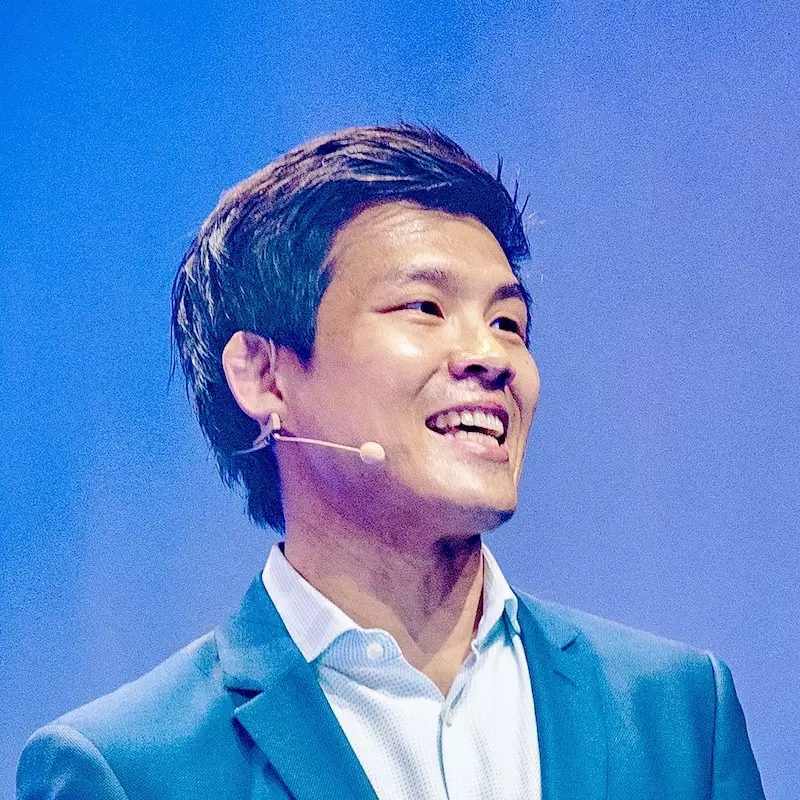
Speaker biography
Tateki Matsuda is a former UFC fighter and longevity sports nutritionist. Originally from Tokyo, Japan, he transitioned from baseball to mixed martial arts and later into health, performance, nutrition, and longevity, bringing an athlete’s perspective to adaptive capacity, human coherence, and long-term performance.
The following text is generated with artificial intelligence. Accuracy is not guaranteed.
Beyond Fragmentation: Building Human Coherence & Biological Resilience
“Longevity is not just more time; we need to build a system that can carry more life.”
— Tateki Matsuda
Description
Human coherence must replace fragmented biohacking to sustain longevity beyond 120. Resilience defines health as the adaptive capacity to recover from stress rather than the mere absence of damage. While basal metabolic rates persist until age sixty, irregular sleep synchronization increases cardiovascular risks more significantly than shortened duration. Integrating *kokorozashi*—unwavering soul-level purpose—stabilizes biological rhythms and behaviors. Ultimately, true optimization transforms individual health into a collective system capable of carrying greater life and community meaning.
Summary
- Longevity is more than just collecting data; it requires human coherence, as individual metrics often fail to capture the full picture of an individual's health and environment.
- Modern life causes fragmentation across metabolism, sleep, and attention; true health comes from integrating these systems to create a unified state of human coherence.
- Resilience is the biological ability to adapt and recover from stress, rather than the mere absence of damage; it is the capacity of a system to return to its baseline after being challenged.
- Sleep is a synchronization of the body's systems where regularity matters more than duration; maintaining a consistent circadian rhythm is essential for long-term cardiovascular health.
- A defined life purpose, or "kokorozashi," stabilizes behavior and biological rhythms, providing the necessary framework for maintaining health and resilience as one ages.
Key points
- Research shows that basal metabolic rate remains relatively stable until age 60, suggesting that what people often perceive as age-related metabolic decline is actually the result of lifestyle fragmentation and loss of rhythm.
- True immune health is defined by "immune resilience"—the body’s capacity to organize its power correctly and recover quickly from sickness—rather than simply over-stimulating or "boosting" the immune system.
- The "nocebo effect" demonstrates that the body "digests meaning" along with food; individuals can experience negative physical symptoms from a food they believe is harmful, even if the food itself is a neutral placebo.
- Long-term exposure to stress is a primary driver of accelerated biological aging, making it essential to develop the ability to remain present and maintain physiological control during high-pressure situations.
- High-intensity physical training should be aligned with the body's natural circadian rhythms, as peak reaction times, body temperature, and blood pressure typically reach their optimal levels for heavy lifting in the late afternoon.
Things to learn
- Limit fragmented attention by consciously managing exposure to addictive digital stimulants and social media to protect the nervous system from over-stimulation.
- Develop the habit of maintaining a "poker face" and controlled breathing during high-pressure moments to regulate physiological responses and build real-time resilience.
- Prioritize the social and cultural "meaning" of food by enjoying traditional meals with respect, rather than demonizing ingredients through a rigid biohacking lens.
- Evaluate personal health through "return-to-baseline" capacity, focusing on the speed and efficiency of recovery after physical or mental stress.
- Transition from self-oriented optimization to a mindset of selfless service to the community, providing a broader life structure that supports long-term coherence.
Notable quotes
- “Resilience is the ability to respond, adapt and recover. Wash, rinse and repeat.”
- “Youth is not the absence of damage; it is the capacity to recover.”
- “Health is not only about power; it is about the ability to organize that power correctly.”
- “Purpose stabilizes your behavior, behavior stabilizes your rhythm, and rhythm stabilizes your biology.”
- “The first generation of biohackers asked how to optimize themselves, but the next generation must ask: what is my health for?”
Questions to ask
- In your work at HOLOLIFE Center Japan, what specific markers or qualitative assessments do you use to bridge the gap between the data from wearables and the subjective experience of human coherence?
- Given your background in professional MMA, how do you reconcile the physical trauma inherent in combat sports with the cellular preservation required to push human lifespan toward the 120-year mark?
- Beyond avoiding the "nocebo effect" with foods like gluten or rice, what are the primary nutritional principles for maintaining metabolic coherence across the different stages of a fragmented lifestyle?
- For those who do not have the high-stakes environment of a cage fight to test them, what daily practices or mental frameworks do you recommend for cultivating kokorozashi to stabilize one's biological rhythm?
- You mentioned that the next generation of biohackers must ask "what is my health for"—could you elaborate on how shifting one's focus from self-optimization to community service or a higher purpose creates a measurable physiological shift in resilience?
Keywords
Magazine article
Beyond Fragmentation: Building Human Coherence And Biological Resilience
At Hololife Longevity Cote d'Azur, Tateki Matsuda Argued That Living Longer Would Mean Little Without Learning How To Live Whole
The longevity movement has spent years promising control. More data, more biomarkers, more supplements, more precision. But in Nice, France, at Hololife Longevity Cote d'Azur on 12 March 2026, Tateki Matsuda offered a strikingly different proposition. The future of health, he said, would not be secured by fragmented self-optimization, but by coherence.
Speaking in the closing keynote, under the title “Beyond 120: The Missing Science of Human Coherence,” Matsuda, a former UFC fighter and longevity sports nutritionist from Tokyo, drew on a life lived across disciplines: baseball, mixed martial arts, academic nutrition, performance science, fatherhood, and biohacking. His message was simple, but not simplistic. Human beings, he suggested, were not failing because they lacked enough tools. They were failing because they had lost integration.
“Resilience is the ability to respond, adapt and recover. Wash, rinse and repeat,” he said.
The Limits Of The Biohacking Dream
Matsuda did not dismiss wearables, tracking, or the modern appetite for measurement. He used them himself. But he challenged the idea that a longer life could be engineered through metrics alone.
The central illusion of contemporary longevity culture, he implied, was that the self could be perfected in isolation. Numbers might track sleep stages, heart rate variability, biological age, blood chemistry, or body composition, but they still could not capture the full architecture of a life: social conditions, purpose, emotional steadiness, community, meaning.
Longevity, in his framing, was not simply the extension of time. It was the creation of a system capable of carrying more life.
That distinction mattered. A person could optimise sleep while neglecting family. They could refine diet while living in psychic disarray. They could pursue health as an individual achievement while remaining deeply fragmented. The problem, Matsuda said, was not just ageing. It was disconnection between systems that were supposed to move together.
The Age Of Fragmentation
Modern life, as Matsuda described it, had become a machine for biological and psychological splintering. Metabolism, attention, sleep, nervous regulation, identity, and purpose had all been broken into separate problems, each managed with its own intervention, each sold as a private fix.
This fragmentation was not abstract. It lived in skipped meals, jet lag, overstimulation, addictive social media use, erratic routines, and the subtle violence of lives lived out of rhythm. Matsuda spoke from experience, recounting the practical absurdities of constant travel, performance pressure, parenting, and public work. Even biohacking, he suggested, could become another expression of disorder if it existed only to patch over a life that had lost internal alignment.
The body, in this account, was not merely tired. It was unsynchronised.
Resilience, Not Damage, Defined Health
One of the sharpest turns in Matsuda’s talk came in his rejection of a common cultural myth: that ageing was simply the accumulation of damage. That view, he argued, missed what mattered most.
“Youth is not the absence of damage; it is the capacity to recover,” he said.
Health, then, was not a flawless state. It was adaptive capacity. The real measure of a person or a system was whether it could return to baseline after stress. Frailty was vulnerability without recovery. Resilience was the ability to be challenged and come back.
This idea gave the talk much of its force. Matsuda was not selling invincibility. He was describing a dynamic state in which stress, adversity, and even injury were part of life, but not its end point. A healthy organism was one that reorganised itself after disruption.
That principle extended from physical training to immunity, from emotional regulation to ageing itself.
The Metabolism Myth And The Lifestyle Problem
Matsuda pointed to research suggesting that basal metabolic rate remained relatively stable until around age 60, unsettling the familiar complaint that midlife decline was simply a matter of biology switching off.
If people felt older sooner, he suggested, the explanation often lay elsewhere: poorer sleep, reduced movement, lower muscle stimulus, more alcohol, greater stress, irregular eating, and a rhythm of life that had become chaotic. In other words, what many interpreted as inevitable physiological decline might actually have been the downstream effect of fragmentation.
This was not an argument against ageing. It was an argument against surrendering too early to a false story about it.
Sleep Was More Than Rest. It Was Synchronisation
Among the most compelling parts of the keynote was Matsuda’s insistence that sleep should not be reduced to duration. Sleep, he said, was a system-wide act of synchronisation.
Drawing on findings from the UK Biobank, he argued that irregular sleep timing could carry greater cardiovascular risk than simply sleeping fewer hours. The point was not merely to get enough rest, but to live in a stable circadian rhythm. Consistency in sleep and waking mattered because the body was not a passive battery. It was a timed orchestra.
Hormones, reaction time, temperature, blood pressure, and metabolic processes all followed a daily pattern. To disrupt that pattern chronically, through shift work, constant travel, or erratic schedules, was to place strain on the body even when total sleep time seemed adequate.
In Matsuda’s account, sleep was not just recovery. It was order.
Immunity Could Not Be Reduced To “Boosting”
The same logic applied to the immune system. Matsuda warned against the simplistic language of “boosting” immunity, a concept beloved by the wellness industry. More activation was not always better. What mattered was appropriate response and effective recovery.
“Health is not only about power; it is about the ability to organize that power correctly,” he said.
He framed immune ageing through three concepts: immunosenescence, inflammaging, and immune resilience. The last of these was the most important. A resilient immune system was not one that was permanently on high alert, but one that could meet a challenge and then return to balance.
This was coherence in immunological form: not permanent defence, but intelligent regulation.
The Body Digests Meaning, Too
One of the keynote’s more memorable detours came through food. Referring to research involving gluten, placebo conditions, and IBS symptoms, Matsuda highlighted the nocebo effect: people could experience genuine distress from foods they believed were harmful, even when the trigger was not physiologically active.
From this, he drew a broader conclusion. The body does not digest nutrients alone. It digests expectation, culture, fear, memory, and meaning.
That was why his critique of rigid biohacking diets landed with particular force. To demonise food entirely, he suggested, was to risk severing eating from place, tradition, pleasure, and community. In France, he said, he wanted a baguette. In Japan, rice and ramen belonged to life. Such remarks were not a nutritional free-for-all, but an argument against reducing health to a joyless compliance regime.
Coherence, here too, meant integration.
Lessons From The Cage
Matsuda’s years in MMA gave the presentation its grounding. In the cage, he said, there was no room for performative wellness. Under pressure, physiology told the truth. Breathing, emotional control, attention, and presence could not be faked for long.
If a fighter panicked, overthought, or lost connection to the moment, the cost was immediate. Long-term stress, he noted, was closely associated with accelerated biological ageing. The lesson from combat was not aggression, but regulation: the ability to stay present, to control response under duress, and to recover quickly enough to continue.
This was resilience stripped of metaphor. Not the abstract language of lifestyle branding, but a bodily discipline learned in moments when losing focus could mean being knocked out.
Purpose As Biological Architecture
The deepest note in the talk came when Matsuda turned to purpose. Not as motivational rhetoric, but as a regulatory principle.
“Purpose stabilizes your behavior, behavior stabilizes your rhythm, and rhythm stabilizes your biology,” he said.
He drew on the Japanese concept of kokorozashi, describing it as something deeper than fleeting motivation or even the fashionable language of ikigai. It was not a productivity tool. It was an unwavering, soul-level orientation, an organising force that gave structure to action over time.
Without such purpose, Matsuda suggested, longevity became directionless. A longer life without meaning was not a triumph. It was an extension of confusion. But with purpose, behaviour became more stable. Rhythm followed. And from rhythm came the physiological steadiness on which resilience depended.
In that sense, purpose was not separate from biology. It shaped it.
From Self-Optimization To Collective Meaning
Matsuda ended with a challenge to the culture that had helped create the very audience before him. The first generation of biohackers, he said, asked how to optimise the self. The next generation would need to ask a harder question.
“The first generation of biohackers asked how to optimize themselves, but the next generation must ask: what is my health for?”
It was the line that seemed to gather the rest. The body was not merely a private project. Health was not only an individual possession. True optimisation, in Matsuda’s telling, had to mature into service. It had to become something that strengthened families, communities, and the social fabric around a person.
That was the moral seriousness at the heart of the talk. Living beyond 120, the fantasy promised in longevity circles, would mean little if all it produced was a better maintained individual, suspended inside a damaged world. The real task was larger: to build human beings capable of carrying more life, and to do so in ways that made life around them more stable, not less.
At Hololife Longevity Cote d'Azur, Tateki Matsuda did not offer a miracle protocol. He offered something rarer: a framework in which biology, behaviour, rhythm, purpose, and community belonged to the same system. In an age addicted to optimisation, it was a call to become whole.
Research article
Beyond 120: The missing science of human coherence
Research suggests that true longevity requires human coherence rather than fragmented biohacking. The evidence leans toward defining health through adaptive capacity and resilience rather than the mere absence of cellular damage. It seems likely that stabilizing biological rhythms through deep, unwavering purpose may be the ultimate metric for extending human healthspan. Furthermore, scientific data strongly indicates that consistency in lifestyle factors—such as sleep regularity and stress management—profoundly impacts our physiological systems, often superseding the pursuit of absolute optimization.
The air inside the main auditorium of the Hololife Longevity Cote d'Azur conference in Nice, France, was thick with the quiet hum of data. It was Thursday, March 12, 2026, and thousands of delegates—scientists, tech executives, and biohackers—had spent the week trading the latest protocols for extending the human lifespan. They discussed cellular reprogramming, peptide therapies, and the latest continuous glucose monitors. But when Tateki Matsuda took the stage to deliver the closing keynote, the former Ultimate Fighting Championship contender and sports nutritionist offered a sharp pivot away from the endless pursuit of biometric data.
Originally from Tokyo, Japan, Matsuda transitioned from professional baseball to mixed martial arts before dedicating his life to health, performance, and longevity. Armed with a Master of Science in applied nutrition, he brought a uniquely rugged, battle-tested perspective to a field often dominated by sterile laboratory metrics. His presentation, titled "Beyond 120: The Missing Science of Human Coherence," challenged the foundational ethos of modern biohacking. He warned the audience that human optimization can easily devolve into a selfish, isolating endeavor. Longevity, he argued, is not merely about extending the timeline of a human life; it is about building a biological and social system capable of carrying a greater depth of life and community meaning.
The longevity illusion and the limits of data
Matsuda is no stranger to the quantified self. A funded athlete since 2017, he readily admitted to using a suite of wearables, tracking everything from heart rate variability to nightly sleep architecture. However, he cautioned that the longevity industry has fallen under an illusion, conflating data collection with actual health. While data is undeniably valuable, Matsuda argued that even with the best experts and the most rigorous science, we cannot fully capture an individual's health or well-being through an absolute, singular metric.
He pointed to prominent figures in the longevity space, noting that while some observers might consider a rigorously quantified individual to be the absolute pinnacle of human optimization, others might look at the same lifestyle and see a void of happiness and genuine well-being. Systematic reviews on healthy aging frequently yield results that are highly individualized, yet these studies often struggle to integrate the messy, unquantifiable environmental and social factors that make life worth living. Self-optimization, when pursued in a vacuum without considering the broader picture, can lead an individual to sacrifice their community and cultural ties. Matsuda’s underlying warning was clear: more data alone does not guarantee overall longevity. Without a unified, coherent approach to living, all the biological data in the world is merely noise.
The problem of fragmentation in modern life
To understand why the current approach to longevity is failing, Matsuda identified fragmentation as the core pathology of modern existence. This fragmentation goes far beyond the physiological hallmarks of aging; it is a structural breakdown of how humans interact with their environment, their biology, and themselves. Modern life, he suggested, slices our biology into disconnected segments.
He illustrated this with a candid look at his own life. He described experiencing fragmented metabolism, recalling a time he accidentally entered a state of deep ketosis simply because he skipped a meal to stay sharp for a last-minute speech. He spoke of fragmented sleep, a byproduct of living on the East Coast of the United States while trying to maintain a global schedule. To force his biological clock into submission, he admitted to utilizing an array of biohacking methods, including noise-canceling headphones, binaural beats, and electrical stimulation. Yet, he was the first to stress that these are band-aids, emphasizing the critical importance of returning to a natural balance.
The fragmentation extends deeply into the cognitive realm. As the founder of the HOLOLIFE Center Japan, Matsuda is constantly bombarded by advertisements, social media algorithms, and short-form platforms like TikTok. This environment cultivates fragmented attention, contributing to chronically shorter attention spans and a fragmented nervous system where an over-stimulated mind ultimately loses its connection to the physical body. To counter this, he advised the audience to consciously limit fragmented attention by actively managing their exposure to addictive digital stimulants, thereby protecting the nervous system from chronic over-stimulation. Finally, he touched upon fragmented identities. At forty years old, he still trains on the mats with active professional fighters, while simultaneously navigating the distinct worlds of being a father and a biohacker—a stark contrast to many of his peers who have fully retired from physical combat to embrace a singular, quieter identity.
Resilience and debunking the metabolism myth
If fragmentation is the disease, Matsuda posited that coherence is the cure, and this begins with redefining how we view aging. He suggested that while human biology may inherently be capable of sustaining life up to 120 or even 150 years, the medical community and the public must learn to distinguish between frailty and resilience. Frailty is merely a snapshot of vulnerability at a given moment. Resilience, however, is dynamic. As Matsuda eloquently put it to the captivated audience: resilience is the ability to respond, adapt, and recover. Wash, rinse, and repeat. Youth, in this framework, is not the mere absence of cellular damage; rather, it is defined entirely by the capacity of a system to return to its baseline after being challenged.
To drive this point home, Matsuda dismantled one of the most pervasive myths in the health and fitness industry: the idea that human metabolism naturally and inevitably plummets in middle age. He referenced a landmark, comprehensive study published in the journal Science, which utilized the highly accurate doubly labeled water method to track the daily energy expenditure of thousands of individuals across the globe [1]. The researchers analyzed data from over 6,400 people across 29 countries, ranging in age from eight days old to 95 years old.
The findings fundamentally rewrote the textbooks on human metabolism. The data revealed that metabolic rates skyrocket during infancy, slowly decline until roughly the age of 20, and then remain remarkably stable and consistent throughout all of adulthood, right up until the age of 60. Only after the age of 60 does the basal metabolic rate begin to experience a gradual decline of about 0.7 percent per year. Therefore, Matsuda proposed that what middle-aged individuals commonly perceive as an inevitable, age-related metabolic decline is actually the physical manifestation of lifestyle fragmentation. The weight gain and sluggishness experienced in the thirties and forties are not the result of a slowing cellular engine, but rather the compounding effects of poor sleep, reduced daily movement, a lack of muscle-stimulating resistance training, increased alcohol consumption, mounting psychological stress, and highly irregular eating patterns. It is the loss of rhythm, not the loss of youth, that slows us down.
Sleep as system synchronization
Matsuda deepened his thesis by using the metaphor of a tree to describe human resilience. In this analogy, the branches and leaves represent our physical vitality and adaptive capacity, while the deep roots represent our environment, our social status, and our connection to a community. When the roots are fragmented, the tree cannot weather the storm. Within human biology, the ultimate mechanism for repairing these roots and achieving systemic coherence is sleep. However, Matsuda urged the audience to view sleep not merely as a period of passive rest, but as an active synchronization of the body's myriad biological systems.
When systems lose their synchronization, the physiological consequences are dire. Matsuda pointed to extensive research leveraging the UK Biobank, which tracked the sleep patterns and cardiovascular health of tens of thousands of participants [2]. The data demonstrated that sleep regularity—going to bed and waking up at consistent times—is fiercely protective of the cardiovascular system. Individuals with highly irregular sleep patterns exhibited a significantly higher risk of experiencing major cardiovascular events, such as heart attacks and strokes. Crucially, this elevated risk persisted even if the irregular sleepers managed to clock their target number of total sleep hours. In contrast, those who maintained a strict, consistent circadian rhythm experienced better long-term cardiovascular outcomes, even if their total sleep duration was slightly shorter.
The fragility of this biological synchronization is evident in how the body reacts to sudden shifts in time. Matsuda highlighted the physiological chaos induced by disrupted circadian rhythms, such as those experienced by night shift workers. Even minor societal disruptions demonstrate this vulnerability. While some early research suggested that losing just one hour of sleep during the spring transition to daylight saving time could trigger an acute spike in heart attacks, more recent and sweeping analyses of over 170,000 patients have cast doubt on a massive acute surge, pointing instead to the chronic dangers of ongoing circadian misalignment and the long-term cardiovascular strain caused by sleep deprivation [3]. Regardless of the acute versus chronic debate, the consensus remains that a fragmented circadian rhythm forces the heart and metabolic systems to work under immense stress.
The immune cost of losing coherence
The conversation then shifted from the cardiovascular system to the immune system, an area where the biohacking community often falls into the trap of fragmentation. Matsuda cautioned against the popular trend of aggressively trying to "boost" or over-stimulate the immune system with massive doses of isolated supplements. He introduced the audience to the concept of the "three I's" of immunity in aging: immunosenescence, which is the natural declining capacity of the immune system over time; inflammaging, the chronic, low-grade inflammation that serves as the bedrock for most age-related diseases; and immune resilience, the actual goal, defined as the body's ability to mount an appropriate, measured response to a pathogen and subsequently recover back to a calm baseline. Health, Matsuda stated, is not only about having raw power; it is about the ability to organize that power correctly.
To illustrate how deeply the mind and body are intertwined in the organization of this power, he discussed the psychological phenomenon known as the nocebo effect—the dark mirror of the placebo effect, where negative expectations trigger genuine physiological distress. He cited a compelling randomized, double-blind study investigating patients with irritable bowel syndrome who believed they suffered from non-celiac gluten sensitivity [4]. In the study, subjects were given cereal bars containing either gluten, whole wheat, or a completely gluten-free placebo. Remarkably, the participants reported negative gastrointestinal feedback and symptom flare-ups at similar rates regardless of which bar they consumed, demonstrating that their symptoms were driven heavily by their psychological expectations and beliefs rather than the physical ingredients.
Matsuda used this data to deliver a profound message to the longevity community: the body digests meaning along with food. While he acknowledged the extensive scientific literature demonstrating that ultra-processed foods are detrimental to human health, he argued passionately against the modern biohacking tendency to demonize specific ingredients to the point of orthorexia. When the rigid pursuit of a perfectly "clean" diet ruins the joy of shared cultural experiences and family meals, the biological stress and social isolation generated by that rigidity may cause more harm than the food itself. To build long-term coherence, individuals must prioritize the social and cultural meaning of food, enjoying traditional meals with respect and community.
Lessons from the cage: biological coherence under pressure
Matsuda's philosophy is not derived solely from academic papers; it was forged through two decades of physical abuse in professional mixed martial arts. He shared with the Nice audience that stepping into a steel cage against a trained killer taught him everything he needed to know about maintaining biological coherence under immense pressure. In the cage, there is no room for deception. A fighter cannot fake their cardiovascular conditioning, nor can they fake their emotional regulation. When struck, maintaining a strict poker face despite searing physical pain and faking a state of complete recovery between rounds are essential survival skills.
Developing the habit of controlled breathing and maintaining physiological control during high-pressure moments builds real-time resilience that translates directly into everyday life. Matsuda noted that allowing the mind to succumb to overthinking in the cage almost inevitably results in being knocked out. Survival requires absolute presence. This hyper-focus on the present moment is a potent antidote to chronic stress.
The necessity of managing stress is backed by rigorous epigenetic science. Long-term exposure to psychological stress is a primary driver of accelerated biological aging. Matsuda referenced research utilizing the "GrimAge" epigenetic clock, which measures chemical changes in DNA to determine a person's biological age [5]. Studies evaluating hundreds of individuals have shown that chronic stress makes a person's biological clock tick faster, increasing markers of aging and driving insulin resistance. However, the same research offers a profound sense of hope: individuals who exhibit high levels of psychological resilience, emotional regulation, and self-control are able to buffer these effects, essentially slowing down their biological aging process. For Matsuda, biohacking became a necessary tool to recover from the massive physical and psychological trauma of his fighting career, evaluating his personal health through his capacity to return to baseline after severe stress.
He also brought a practical, athletic perspective to daily habits, noting that human physiology requires us to align our physical exertion with our internal clocks. High-intensity physical training, he advised, should be synchronized with the body's natural circadian rhythms. Research into chronobiology demonstrates that core body temperature, peak reaction times, and cardiovascular efficiency typically reach their optimal, safest levels for heavy lifting and explosive movement in the late afternoon [6]. Working with, rather than against, these deeply ingrained biological rhythms is the essence of coherence.
Purpose and the philosophy of kokorozashi
As the presentation neared its conclusion, Matsuda synthesized the biological and the philosophical, stating that all the synchronized sleep and metabolic health in the world cannot save a life devoid of meaning. He stressed the vastly underestimated importance of having a defined purpose, noting that a lack of purpose frequently manifests as rapid, visible biological aging.
Purpose, Matsuda explained, acts as the invisible architecture that stabilizes human behavior. He drew on his fighting career to illustrate this mechanism: having a scheduled fight on the calendar stabilized his daily rhythm, which in turn mandated a healthy lifestyle and sharpened his focus. This strict behavioral rhythm stabilized his underlying biology, allowing his body to adapt to incredibly high-stress environments. He distilled this into a powerful maxim: purpose stabilizes your behavior, behavior stabilizes your rhythm, and rhythm stabilizes your biology.
To elevate this concept, he introduced the audience to the Japanese philosophy of "kokorozashi." While many in the Western longevity space are familiar with the concept of "ikigai" (a reason for being), Matsuda explained that kokorozashi runs deeper. It translates to an "unwavered heart" that is inextricably tied to the soul level of an individual. It is entirely distinct from fleeting daily emotions, temporary motivations, or superficial career goals. He offered comfort to those who feel adrift, clarifying that one's ikigai or kokorozashi does not need to be immediately defined. In Japanese culture, many people only truly discover this deep well of purpose later in life, and personal coherence is something that evolves and hardens over decades.
Ultimately, Matsuda presented the core of the HOLOLIFE philosophy, issuing a challenge to the next generation of biohackers. The first generation of the longevity movement was obsessed with the self, constantly asking, "How can I optimize myself?" The next generation, he argued, must ask a much harder question: "What is my health for?"
True optimization requires a transition away from self-oriented biohacking toward a mindset of selfless service. By sharing experiences, showing deep respect for one's environment, and dedicating one's vitality to the community, an individual builds a broader, more resilient life structure. This shift from the isolated self to the integrated collective is the missing science of human coherence, providing the only sustainable framework for living well beyond 120 years.
References
- [1] Surprising findings about metabolism and age
- [2] Sleep Duration Irregularity and Risk for Incident Cardiovascular Disease in the UK Biobank
- [3] Daylight saving time may not trigger heart attacks after all, study finds
- [4] Gluten may not be the culprit for many people with irritable bowel syndrome
- [5] Stress makes life's clock tick faster: Chilling out slows it down
- [6] Time of day effects on athletic performance
Sources:
Social posts
Copy generated post templates for each platform.