Opportunity in Longevity: Biohacking Market Overview & Top Biohacks
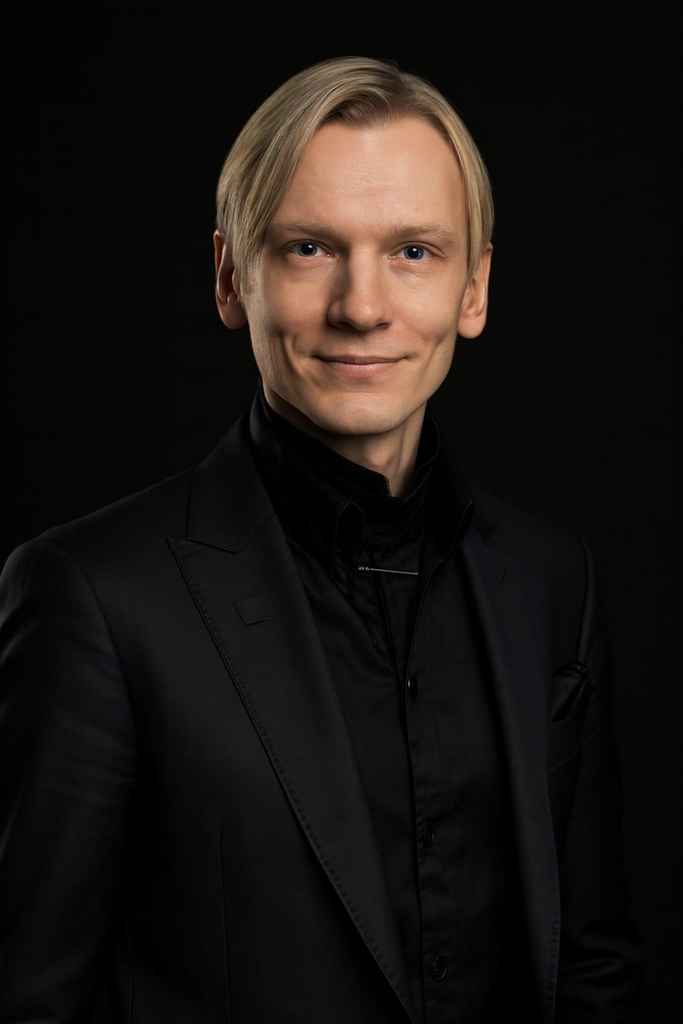
Speaker biography
Teemu Arina is a pioneer in the biohacking movement, co-author of the bestselling Biohacker’s Handbook series, curator of Biohacker Summit, host of the Biohacker’s Podcast, founder of Biohacker Center, and founder of HOLOLIFE. His work focuses on practical health optimization, longevity, systems thinking, community, science, technology, and nature-based human performance.
The following text is generated with artificial intelligence. Accuracy is not guaranteed.
Opportunity In Longevity: Biohacking Market Overview & Top Biohacks
“You can't outsource your health and say that someone else is going to fix you when you're broken, because no one else is going to be as interested in your health as you are. You have to grow and become an expert in your own health.”
— Teemu Arina
Description
Chronic disease costs $47 trillion annually, driving a vertical biohacking market focused on healthspan. Precision medicine leverages genetic biomarkers and AI diagnostics—which now surpass human expert accuracy—to shift from reactive "sick care" to personalized prevention. Modern longevity stacks merge Mediterranean Blue Zone principles, like polyphenols and purpose, with digital twins and epigenetic monitoring to optimize metabolic control. This integration of ancient wisdom and frontier technology democratizes elite optimization, representing a multi-trillion-dollar economic opportunity.
Summary
- Focus on healthspan rather than just lifespan, aiming for high quality of life and functional years until the end rather than surviving through extensive medical support.
- Shift from one-size-fits-all advice to precision medicine based on individual genetics, biomarkers, and lifestyle data to optimize health and prevent chronic disease.
- AI-driven diagnostics are surpassing human accuracy in medical analysis, creating a future where human-machine collaboration democratizes access to expert health advice.
- Genetics are not destiny; behavior and environmental factors play a larger role in health outcomes, requiring individuals to take personal responsibility for their biological optimization.
- Investing in preventive care is more cost-effective than treating disease, potentially saving trillions globally while enhancing productivity and reducing healthcare system burdens.
Key points
- The biohacking and personalized wellness sector is the fastest-growing part of the $6.3 trillion wellness industry, projected to see vertical growth as it outpaces traditional health segments.
- High-performing professionals can gain up to two months of additional productive time per year by managing their biological operating systems like "corporate athletes" through optimized recovery and stress regulation.
- Establishing a stable circadian rhythm is the fundamental requirement for biological optimization, as it governs the hormonal and metabolic processes necessary for all other health interventions to succeed.
- True longevity is found in the integration of "ancient wisdom"—such as Mediterranean dietary patterns and life purpose (Ikigai)—with modern technological monitoring and biological interventions.
- Monitoring specific biological markers such as VO2 max, heart rate variability (HRV), and visceral fat ratio provides the necessary longitudinal data to track if lifestyle decisions are effectively slowing the aging process.
Things to learn
- Leverage ambient health tracking: Transition toward non-invasive data collection by utilizing sensors integrated into your environment, such as smart toilets or bedroom monitors, to capture continuous biological insights without the friction of wearing devices.
- Adopt hyper-personalized supplementation: Move beyond generic multivitamins by using precise biomarker data to design custom-tailored or 3D-printed nutrients that match your body’s unique annual health protocols and structural needs.
- Apply the 80/20 rule to daily wellness: Audit your routine to identify the specific "Pareto" interventions—the one or two hours of activity that generate 80% of your energy and recovery gains—to maximize health ROI without excessive effort.
- Monitor cellular building blocks: Expand laboratory testing to include specific amino acids and nutritional markers that ensure the body has the raw materials required for protein synthesis and cellular repair, rather than only screening for the presence of disease.
- Methodically "hack" the modern environment: Implement specific interventions to neutralize the biological side effects of a Western lifestyle—such as the damage from chronic sitting and processed food exposure—to maintain an optimized state while remaining active in modern society.
Notable quotes
- “If you don't make space for wellness, eventually you will have to make space for illness.”
- “If your body was a company and your energy levels were a stock price, would you invest in yourself right now?”
- “The goal is to create the foundations so you can keep contributing the things you love. It is all about building a legacy and living longer than your lifetime through the contribution you make to the world.”
- “Most of us just want to have healthy years in our lives. Healthspan is more important than lifespan; the goal is to live with the highest quality of life possible rather than just being kept alive on life support.”
- “Your genetics do not dictate your outcome, but your behaviors do. Epigenetics plays a much bigger factor than your genes, so you have to take responsibility for how you live and take care of yourself.”
Questions to ask
- Beyond the data and biomarkers, how can we specifically apply biohacking principles to enhance neuroplasticity and maintain cognitive "flow states" as we transition into our later decades?
- You mentioned the importance of "hacking the Western lifestyle"—what are your top strategies for mitigating modern environmental stressors, such as indoor air quality and artificial light, that aren't captured by typical wearable sensors?
- In the context of personalized medicine, how should biohacking protocols be specifically adapted to account for the unique biological milestones and hormonal transitions specific to women's health?
- While community is a core pillar of the Mediterranean lifestyle, how can high-performance individuals biohack their social environments to foster the "social contagion" of healthy habits within their professional networks?
- You spoke about the "corporate athlete" and the need for recovery; what role do deliberate heat and cold exposure protocols play in strengthening the nervous system's resilience against the specific pressures of modern executive roles?
Keywords
Magazine article
Opportunity In Longevity: Why The Future Of Health Was Already Moving From Sick Care To Self-Knowledge
At Hololife Longevity Cote d'Azur, Teemu Arina Cast Longevity Not As A Vanity Project But As One Of The Defining Economic And Human Questions Of Our Time
In Nice, at Hololife Longevity Cote d'Azur on 12 March 2026, the biohacking pioneer Teemu Arina delivered a presentation that was part market analysis, part manifesto, and part warning. Under the title Opportunity In Longevity: Biohacking Market Overview & Top Biohacks, Arina argued that the age of generic health advice was giving way to something more intimate, more data-driven, and potentially more transformative: a world in which prevention, precision medicine, and everyday biological awareness reshape not only how people live, but how economies function.
His central claim was as stark as it was persuasive. Chronic disease, he said, cost the world $47tn annually, a burden so vast that longevity was no longer a niche obsession for wellness devotees or Silicon Valley optimists. It had become an industrial, political and moral issue. If modern medicine excelled at acute intervention, Arina suggested, it had failed to meet the slower catastrophe of decline: inflammation that simmered for years, metabolic dysfunction that hid in plain sight, a body that drifted out of balance long before a diagnosis ever appeared.
“If you don't make space for wellness, eventually you will have to make space for illness,” he said.
Healthspan, Not Mere Survival
Arina’s talk refused the more extravagant promises that often cling to the longevity industry. He did not build his case on fantasies of immortality or the seductive theatre of age reversal. Instead, he spoke in more grounded terms about healthspan, the number of years a person remains vigorous, functional and mentally present.
“Most of us just want to have healthy years in our lives. Healthspan is more important than lifespan; the goal is to live with the highest quality of life possible rather than just being kept alive on life support,” he said.
That distinction mattered. It shifted the conversation away from mere biological persistence and toward dignity, mobility, clarity, and independence. In Arina’s framing, longevity was not about preserving life at any cost. It was about preserving the ability to participate in it.
He described a future in which living to 100 or even 120 might become increasingly plausible, but insisted that the deeper aim was not numerical triumph. The real goal was to remain capable of contribution, to extend not simply existence but usefulness, joy, and agency.
“The goal is to create the foundations so you can keep contributing the things you love. It is all about building a legacy and living longer than your lifetime through the contribution you make to the world,” he said.
The Three Forces Converging On Longevity
Arina located the longevity movement at the intersection of three major trends: precision medicine, digital health, and everyday health optimization.
The first was a decisive break with one-size-fits-all healthcare. Rather than relying on population averages alone, precision medicine drew on genetics, biomarkers, lifestyle patterns, and individual risk factors to tailor prevention and treatment. In this model, the future of medicine looked less like general instruction and more like targeted intervention.
The second was the rapid expansion of digital health, particularly AI-assisted diagnostics. Arina pointed to a future in which machine systems increasingly outperformed human experts in certain forms of medical analysis, especially imaging and pattern detection. He did not frame this as a replacement of clinicians so much as a redefinition of their role. The future, he suggested, belonged to human-machine collaboration.
The third force was the broad cultural migration toward self-optimization. Once confined to elite athletes and obsessive self-trackers, the tools of biological monitoring were becoming mainstream. Sleep rings, continuous glucose monitors, laboratory panels, and wearable recovery scores were turning everyday life into a measurable terrain. The body was no longer simply felt. It was tracked, interpreted, and iterated upon.
The Biohacking Economy Goes Vertical
In Arina’s account, this was not merely a medical transition. It was also a commercial one. He described biohacking and personalized wellness as the fastest-growing segments within the $6.3tn global wellness industry, with the broader longevity field poised for dramatic expansion.
The scale of that opportunity rested on a simple economic truth: it was vastly cheaper to preserve health than to treat disease after damage had accumulated. Prevention, in this sense, was not a luxury add-on but a more rational allocation of resources. Arina framed the current healthcare model as structurally backward, rewarding intervention at the point of sickness while underinvesting in the habits, diagnostics and data that could delay illness for years.
Only a small fraction of GDP in Europe, he noted, went toward preventive healthcare. The result was a system increasingly effective at managing crises and increasingly poor at stopping them from arriving.
His language sharpened here. Traditional healthcare, he argued, was less a healthcare system than a sick care system.
Your Genetics Are Not Your Sentence
One of the strongest passages of the presentation came when Arina challenged the fatalism that often shadows discussions of hereditary disease. Family history mattered, he acknowledged. But it did not settle the matter.
“Your genetics do not dictate your outcome, but your behaviors do. Epigenetics plays a much bigger factor than your genes, so you have to take responsibility for how you live and take care of yourself,” he said.
It was a forceful rebuke to passivity. If inherited risk was real, then so too was the power of environment, routine, stress, food, sleep, social life, movement and recovery. Arina’s argument was that too many people outsourced health until the moment it failed. By then, the body had often been sending signals for years.
The task, as he saw it, was to become literate in one’s own biology. Not to obsess over every metric, but to develop enough self-knowledge to detect patterns before pathology hardened into disease.
From Blue Zones To Digital Twins
If Arina championed the frontier technologies of longevity, he also resisted the fantasy that the future could be engineered without the past. Some of the most striking moments in the talk came when he turned to the Mediterranean and to so-called Blue Zone cultures, particularly places like Sardinia and Ikaria, where long life has often been accompanied by social cohesion and lower rates of chronic disease.
The lesson was not that one miracle food or supplement explained longevity. It was that healthy aging emerged from systems: polyphenol-rich diets, daily movement, strong communities, lower inflammatory load, rest, and purpose.
This was where Arina’s vision became more textured. Longevity, he argued, would come from the fusion of old wisdom and new tools. Mediterranean dietary patterns could coexist with biomarker testing. A sense of purpose could sit alongside epigenetic clocks. Digital twins and AI diagnostics might sharpen decisions, but they could not replace the elemental architecture of good living.
In that sense, the talk offered a more mature version of biohacking than its stereotype suggests. Less gadgets for their own sake, more infrastructure for a better life.
Measuring The Biological Operating System
Again and again, Arina returned to measurement. If people did not know what they were optimizing for, he argued, then they were operating in the dark. Data was not the goal, but it was the beginning of clarity.
He highlighted key indicators including VO2 max, long-term blood sugar control, heart rate variability, inflammation, lean mass, and visceral fat ratio. These, he suggested, were not abstract numbers but practical clues to how well the body was coping with modern life.
A stable circadian rhythm, he argued, sat beneath everything else. Without it, hormones, glucose control, recovery and cognitive function all suffered. He described this alignment as foundational, the first architecture of health on which everything else depended.
For high-performing professionals, this was not an indulgence but an operational necessity. Arina urged executives and entrepreneurs to think of themselves as corporate athletes, responsible for managing recovery, fuel, stress load and decision-making capacity with the seriousness of elite performers.
He offered one of the talk’s sharpest provocations in the form of an investor’s question turned inward: “If your body was a company and your energy levels were a stock price, would you invest in yourself right now?”
AI And The Democratization Of Expertise
Perhaps the most disruptive possibility raised in Nice was the role of artificial intelligence in medicine. Arina argued that AI-driven diagnostic systems were already surpassing human experts in certain domains, and that these tools could radically widen access to high-quality health analysis.
The promise here was not merely efficiency. It was democratization. Expertise that once sat behind elite clinics, specialist referrals, and expensive consultancies could increasingly be translated into scalable systems. For a world overwhelmed by chronic disease and short on medical attention, that possibility was enormous.
Still, Arina did not indulge in techno-utopianism. Human judgment, empathy, and responsibility remained essential. Machines might detect patterns faster, but medicine still required interpretation, context and trust.
The Quiet Revolution In Prevention
What lingered after the presentation was not simply its confidence in technology, but its insistence on personal agency. Arina spoke to a room that likely understood investment, innovation and risk. His challenge was to apply the same seriousness to the body.
The deeper revolution in longevity, he suggested, would not arrive only through clinics, patents or therapies. It would emerge through habits repeated in private: better sleep, more intelligent diagnostics, steadier glucose control, stronger metabolic health, and interventions shaped by individual response rather than generic advice.
This was the paradox at the heart of the talk. Longevity was being sold as a multi-trillion-dollar industry, yet its moral core remained intimate. A person ate differently. Slept earlier. Walked more. Tested what mattered. Paid attention. Changed course before damage calcified.
At Hololife Longevity Cote d'Azur, Teemu Arina made the case that the future of health would belong to those who stopped seeing wellness as cosmetic self-improvement and started seeing it as infrastructure: for productivity, for resilience, for independence, and for contribution.
The old model waited for the body to break. Arina’s vision asked what might happen if society learned, finally, to care for people before that point.
Research article
The multi-trillion dollar shift from sick care to health optimization
Teemu Arina recently presented groundbreaking longevity strategies at the Hololife Longevity Cote d'Azur event, outlining a definitive shift from reactive healthcare to proactive biological optimization. The global wellness economy has surged to a record valuation of 6.3 trillion dollars, vastly outpacing traditional pharmaceutical sectors. Simultaneously, chronic non-communicable diseases threaten to impose a crippling 47 trillion dollar economic burden on global health systems by 2030. Artificial intelligence systems are now demonstrating the unprecedented ability to outperform human doctors in early emergency triage diagnostics, signaling a new era of human-machine collaboration in medicine. Furthermore, clinical evidence confirms that lifestyle interventions, notably the Mediterranean diet, can reduce all-cause mortality in women by 23 percent. Ultimately, the future of medicine is shifting away from merely extending lifespan toward maximizing healthspan through hyper-personalized, preventative care.
On Thursday, March 12, 2026, the city of Nice, France, served as the backdrop for a profound exploration into the future of human longevity. The Hololife Longevity Cote d'Azur event brought together leading minds in science, technology, and health optimization to discuss the rapidly evolving landscape of preventative medicine. Taking the stage was Teemu Arina, a pioneer in the biohacking movement, co-author of the bestselling Biohacker’s Handbook series, and founder of the Biohacker Center. Arina delivered a comprehensive presentation titled "Opportunity in Longevity: Biohacking Market Overview & Top Biohacks," wherein he dismantled the archaic paradigm of reactive medicine. His core thesis was clear: the ultimate goal of biological optimization is not necessarily to survive endlessly attached to hospital machines, but to achieve the highest possible quality of life and functional healthspan, allowing individuals to live life to the fullest and eventually "die boots on."
The crushing economic weight of chronic disease
The current global medical infrastructure is fundamentally designed to manage sickness rather than cultivate health, a systemic flaw that carries astronomical financial consequences. Arina highlighted that chronic disease management currently demands trillions of dollars annually, a figure that threatens to overwhelm global economies. This assertion is strongly supported by macroeconomic data from the World Economic Forum and the Harvard School of Public Health. Extensive research indicates that the global economic burden of non-communicable diseases—specifically cardiovascular disease, chronic respiratory disease, cancer, diabetes, and mental health conditions—will result in a staggering cumulative output loss of 47 trillion dollars over the two decades leading up to 2030 [1]. This astronomical loss represents an existential threat to the global economy, possessing the potential to completely bankrupt national health systems and permanently stall economic development, particularly as it prematurely disables individuals during their most productive working years [2].
Despite these alarming projections, the institutional response remains heavily skewed toward acute intervention rather than systemic prevention. Arina noted that the diagnostic and immediate healthcare apparatus functions primarily as a "sick care system," excelling at treating urgent medical emergencies but failing comprehensively at addressing long-term, slow-developing health issues spanning decades. The underlying drivers of the modern disease burden—such as low-level systemic inflammation, oxidative stress, insulin resistance, and mitochondrial dysfunction—are rarely measured in traditional clinical practice until they manifest as critical emergencies. The financial allocation reflects this reactive approach; for instance, a mere fraction of a percent of Europe's gross domestic product is dedicated to preventative healthcare. Consequently, while human life expectancy has doubled since the Industrial Revolution due to advances in logistics, hygiene, and pharmaceuticals, this extension of life has come at a severe cost to quality. Arina argued that for every year of lifespan gained over the past sixty years, society has effectively added six months of poor health, placing an unbearable strain on pension systems, collective healthcare costs, and overall societal productivity.
The explosive growth of the personalized wellness economy
In direct response to the failures of the traditional sick care model, a massive consumer-driven economic shift is underway. Individuals are increasingly taking personal responsibility for their biological optimization, viewing their health as a foundational investment akin to monitoring a company's stock price. This proactive approach has fueled the rapid expansion of the wellness industry, which recently reached a record valuation of 6.3 trillion dollars [3]. According to industry monitors, the sector grew by 26 percent since 2019, heavily driven by personalized care, healthy eating, physical activity, and technological health integration, effectively surpassing the global pharmaceutical industry in sheer market size. Arina emphasized that within this massive ecosystem, biohacking, precision healthcare, and the longevity industry are the fastest-growing vertical segments.
The initial motivations for individuals entering the biohacking space often revolve around immediate lifestyle improvements, such as increased daily energy, heightened cognitive performance, and accelerated physical recovery. For many, the gateway into health optimization begins with sleep tracking through wearable devices, which provide immediate, actionable data on nighttime recovery and nervous system regulation. However, as individuals age, their priorities naturally shift toward mitigating the twelve hallmarks of aging—which include genomic instability, telomere attrition, and mitochondrial dysfunction—and preventing the onset of metabolic, nervous system, and cardiovascular decline. Arina explained that addressing these issues requires shifting away from generalized, population-level health advice, such as the antiquated food pyramid. Instead, the future belongs to precision medicine, which leverages individual genetics, extensive biomarker testing, and longitudinal lifestyle data to create hyper-personalized interventions. This shift toward self-knowledge through numbers is facilitating an era of ambient health tracking, where non-invasive data collection via smart toilets, continuous glucose monitors, and bedroom sensors will seamlessly inform personalized health protocols, potentially culminating in the 3D printing of bespoke vitamins and targeted medical therapies.
Rethinking the human lifespan and the European health paradox
The distinction between lifespan, the total number of years lived, and healthspan, the number of years lived in robust health, is the central philosophical pillar of the modern longevity movement. Arina illustrated this dichotomy by examining the current health landscape in Europe. While the average lifespan of people in the European Union has successfully topped 80 years for the first time, preventable chronic illnesses continue to take a heavy toll on the aging population [4]. In Europe, approximately 87 percent of an average lifespan is spent in a relatively healthy state, while the remaining 13 percent is characterized by debilitating illness and diminished functional capacity. As Arina starkly warned his audience, if individuals do not purposefully make space for wellness in their daily routines, they will inevitably be forced to make space for illness later in life.
Furthermore, Arina addressed the pervasive misconception that longevity and health outcomes are predetermined by inherited DNA. He stressed that genetics are not an inescapable destiny. Instead, epigenetics—the study of how behavioral and environmental factors influence the way genes work—plays a vastly more significant role in determining long-term health. By embracing personal responsibility and optimizing one's environment and habits, individuals can effectively alter their biological age regardless of their chronological age. Arina shared a compelling personal case study, detailing how he systematically improved his cardiovascular risk factors, blood sugar regulation, and organ function over a decade. At the chronological age of 43, he successfully reversed his hormonal profile from that of a 45-year-old equivalent to a state typical of someone in their twenties or thirties. This level of optimization not only decelerated the aging process but also provided the physiological foundation necessary to handle increased professional stress and responsibility without suffering the typical degenerative consequences of the modern "hustling culture."
Artificial intelligence as the new diagnostic frontier
Perhaps the most disruptive mega-trend discussed at the Hololife Longevity event was the integration of artificial intelligence into the diagnostic and precision medicine landscape. Foundational to health optimization is the absolute necessity of reliable data; operating without precise biological metrics is akin to shooting in the dark. While traditional medicine has historically relied on the limited cognitive bandwidth and pattern recognition capabilities of human physicians, digital health is now aggressively leveraging AI to transcend these limitations. Arina asserted that AI-driven diagnostics are already beginning to surpass human experts in specific medical imaging analyses and comprehensive laboratory biomarker studies.
This technological leap is not merely theoretical; it is currently being validated in rigorous academic settings. A groundbreaking study conducted by researchers at Harvard Medical School and published in the journal Science demonstrated that large language models are now capable of outperforming human physicians in high-pressure diagnostic environments. In a clinical trial involving emergency department triage, an advanced AI reasoning model identified the exact or a very close diagnosis in 67 percent of cases, significantly outperforming the human doctors who achieved an accuracy rate of only 50 to 55 percent [5]. The AI's advantage was particularly pronounced in triage circumstances that required rapid, complex decision-making with minimal initial information [6]. While the AI demonstrated a superior ability to articulate clinical logic and formulate long-term treatment plans, Arina was careful to emphasize that this technology is not intended to completely replace medical professionals. Instead, the optimal approach is a "human plus machine" triadic care model. In this highly efficient future, AI serves as an unparalleled diagnostic engine, while human practitioners provide the essential empathy, physical touch, and ultimate ethical oversight required for comprehensive patient care.
Ancient wisdom validated by modern clinical trials
While frontier technologies like AI and digital twins dominate the headlines, Arina made it clear that true longevity optimization requires merging these modern tools with ancient, time-tested wisdom. He pointed to the established Blue Zones—regions of the world where people consistently live over 100 years—as proof that lifestyle, diet, social connection, and daily movement are the bedrock of human durability. Central to this concept is the Mediterranean lifestyle, which Arina described not merely as a diet, but as a comprehensive philosophy of life encoded into daily rituals. The five pillars of this longevity framework include diligent stress management, consistent daily movement, strong community bonds, a deep sense of purpose or "Ikigai," and a nutrient-dense, anti-inflammatory dietary pattern rich in seasonal vegetables, legumes, fish, and olive oil polyphenols.
The profound physiological impact of this ancient dietary pattern has been explicitly quantified by modern science. A landmark study conducted by researchers at Brigham and Women's Hospital and published in JAMA Network Open followed more than 25,000 initially healthy women over the course of 25 years. The clinical data revealed that higher adherence to the Mediterranean diet was associated with a remarkable 23 percent reduced risk of all-cause mortality, alongside significant decreases in the risk of cardiovascular and cancer-related deaths [7]. By tracking an extensive panel of biomarkers, the researchers identified the precise biological mechanisms driving this longevity benefit. They found that the diet actively initiated beneficial changes in markers of metabolism, systemic inflammation, insulin resistance, and body mass index [8]. This data strongly corroborates Arina's assertion that chronic, low-level inflammation and metabolic dysfunction are the primary drivers of the major global killers, and that these underlying issues can be methodically reversed through targeted nutritional and lifestyle interventions.
Upgrading the biological operating system through precision data
To translate this wealth of ancient wisdom and modern data into tangible results, Arina proposed viewing the human body as a highly complex "biological operating system." Just as elite professionals meticulously track business key performance indicators, individuals must establish clear biological metrics to monitor their structural, metabolic, and nervous system health. Arina championed the "corporate athlete" analogy, suggesting that high-performing individuals making high-stakes daily decisions should manage their physiology with the same rigor and precision as a Formula 1 racing team.
The foundational requirement for upgrading this executive machine is the establishment of a robust circadian architecture. Aligning one's circadian rhythm is absolutely critical, as it governs the hormonal cascades and blood sugar regulations necessary for all subsequent health interventions to succeed. Once sleep and light exposure are optimized, individuals can apply Pareto's Law—the 80/20 rule—to their daily wellness routines. By conducting a baseline medical audit and identifying the specific 20 percent of efforts that yield 80 percent of the health benefits, individuals can maximize their biological return on investment without succumbing to the burnout associated with overly complex biohacking regimens.
Tracking progress requires a commitment to longitudinal physiological and biochemical data collection. Arina highlighted five vital biomarkers that provide deep insights into the aging process and overall healthspan. First, optimizing cardiorespiratory fitness, measured via VO2 max, is a highly reliable predictor of longevity. Second, maintaining strict long-term blood sugar control is vital for preventing metabolic syndrome and neurological decline. Third, systematically lowering chronic, low-level inflammation protects the vascular system and cellular integrity. Fourth, optimizing body composition by increasing lean muscle mass and reducing visceral fat is critical in a modern Western world where a majority of the population is overweight. Finally, tracking heart rate variability provides a daily window into the nervous system, allowing individuals to quantify their stress levels and autonomic recovery. By continuously measuring these metrics, designing personalized protocols, and executing controlled lifestyle experiments, anyone can actively manage their biological age and slow the progression of physical decline.
Practical implementation and the democratization of elite optimization
The insights shared at the Hololife Longevity Cote d'Azur event represent a pivotal moment in the democratization of elite human performance. What was once the exclusive domain of professional athletes and eccentric billionaires is rapidly becoming accessible to the general public through scalable technology and shifting cultural paradigms. Arina outlined several practical habits that individuals can adopt immediately to methodically "hack" the modern environment and neutralize the biological side effects of a sedentary, industrialized lifestyle.
Transitioning toward ambient health tracking allows individuals to effortlessly capture continuous biological insights without the daily friction of managing wearable devices. Expanding routine laboratory testing to include specific nutritional markers ensures the body possesses the fundamental cellular building blocks required for ongoing protein synthesis and repair, moving far beyond the traditional medical model of only screening for advanced disease states. Furthermore, embracing hyper-personalized supplementation—tailored to exact genetic and epigenetic data—eliminates the guesswork of generic multivitamins, providing the body with the precise compounds it needs to maintain healthy homeostasis. Ultimately, the integration of these practices yields a profound return on investment. By optimizing recovery, regulating stress, and eliminating the brain fog and absenteeism associated with suboptimal health, high-performing professionals can effectively add up to two months of highly productive time to their year.
Conclusion
Teemu Arina's presentation in Nice illuminated a clear and actionable path forward in the face of a mounting global health crisis. As the economic and societal costs of chronic illness reach unsustainable heights, the transition from reactive sick care to proactive, personalized health optimization is no longer a luxury; it is a fundamental necessity. The convergence of artificial intelligence, advanced biomarker tracking, and validated lifestyle interventions like the Mediterranean diet offers an unprecedented opportunity to redefine the human experience. By accepting personal responsibility for their epigenetic outcomes and treating their health as their most valuable asset, individuals can transcend the limitations of the traditional medical system. The ultimate goal of this biohacking revolution is not merely to add years to life, but to add robust, vibrant life to those years, creating an unshakable physiological foundation that allows people to build a lasting legacy and continually contribute to the world around them.
- [3] Personal care rockets the wellness industry to $6t
- [1] UN summit puts global disease cost at $47 trillion by 2030
- [2] The Global Economic Burden of Noncommunicable Diseases
- [4] The average lifespan of people in the EU has topped 80
- [7] Mediterranean diet associated with 23% reduction in mortality, study finds
- [8] Mediterranean Diet Tied to One-Fifth Lower Risk of Death in Women
- [5] Study shows LLMs diagnose patients more accurately than physicians
- [6] AI outperforms doctors in Harvard trial of emergency triage diagnoses
Sources:
Social posts
Copy generated post templates for each platform.